

Día de Reyes Three Kings parade
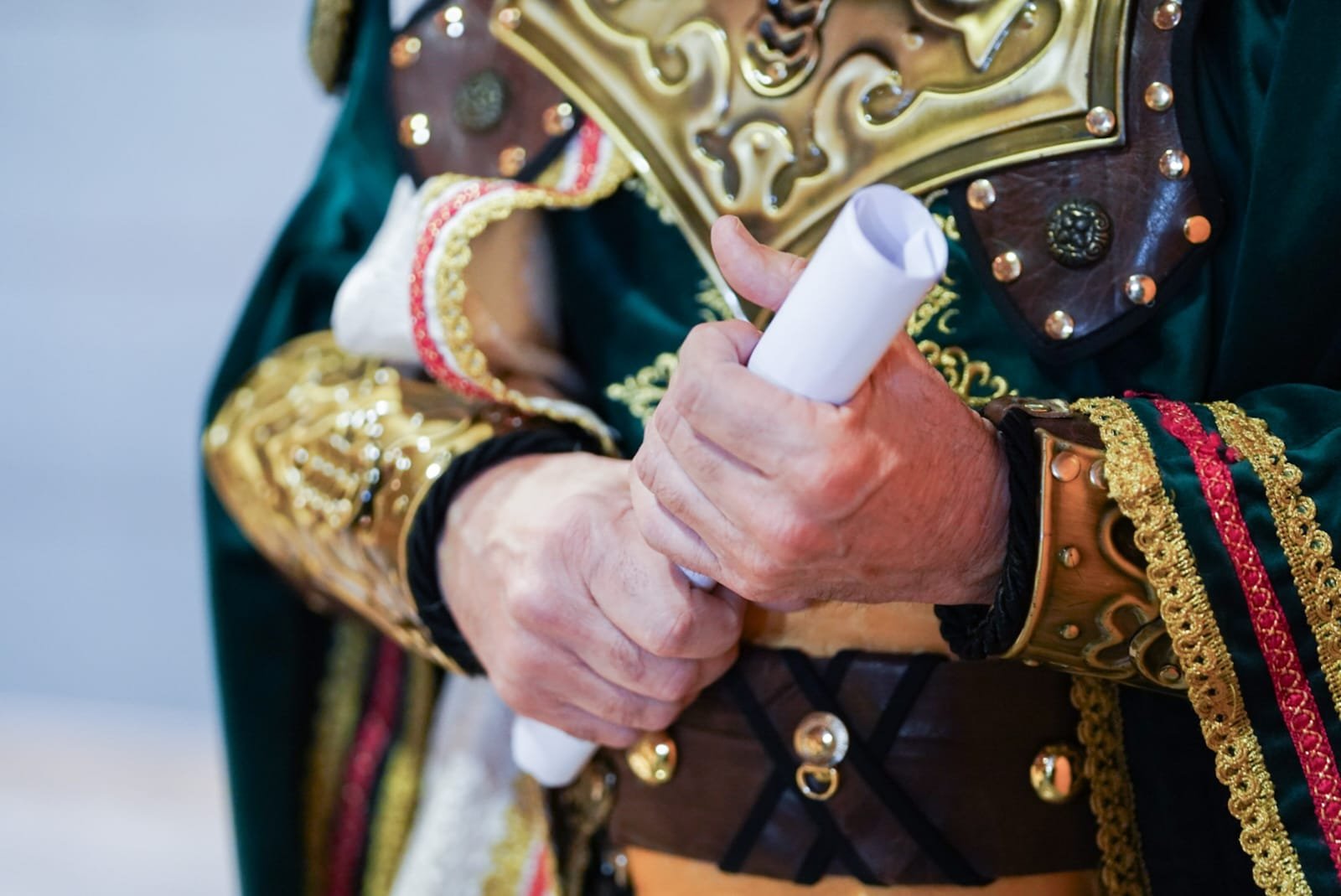
Christmas festivities in Spain extend beyond December 25th, culminating on January 6th with Día de Reyes (Three Kings Day).
This is when Los Reyes Magos (the Three Wise Men) arrive from the East bearing gifts for children across the country.
The celebration is a national holiday in Spain and is the most beloved day among Spanish children, who eagerly await their presents.
While many Spanish families now exchange some gifts on Christmas Day, Día de Reyes remains the occasion for the most significant and anticipated presents.
The Three Kings parade comes to Malaga
Towns and cities throughout Spain host their own cabalgata (procession or parade) on the evening of January 5th.
This spectacular event features the Three Kings travelling through the streets on elaborately decorated floats while throwing thousands of sweets to excited children below. Youngsters often bring upturned umbrellas to help catch the cascading treats.
In Malaga city, each district hosts its own procession. However, the biggest one of course takes place in the centre.
Here, the magnificent, vibrantly colourful procession begins at the Alcazaba, the historic Moorish fortress overlooking the city, before proceeding to the city hall.
At the town hall, the three kings (Melchior, Gaspar and Baltasar) appear on the balcony while a letter from the city’s children is read aloud to them.
After this ceremonial reading, each king boards his individual float to begin the journey through Malaga’s streets, accompanied by numerous other decorated floats carrying performers and characters.

The history of Día de Reyes in Spain
Día de Reyes commemorates the biblical story of the Three Wise Men who followed a star to Bethlehem and presented gifts of gold, frankincense and myrrh to the infant Jesus.
This tradition has deep roots in Spanish culture and remains more significant than Christmas Day itself for many families across Andalucía.
Spanish children write letters to the kings requesting gifts, much as children in other countries write to Father Christmas or Santa Claus.
On the night of January 5th, children leave their shoes by the window or door, along with food and drink for the kings and their camels, before waking on January 6th to discover their presents.
The morning of Día de Reyes is spent opening gifts, while families gather later to share Roscón de Reyes, a special ring-shaped cake decorated with candied fruits that often contains hidden figurines and a dried bean.
This magical celebration perfectly captures the warmth and family-oriented spirit of Spanish Christmas traditions while offering visitors to Malaga an unforgettable cultural experience.
After leaving city hall, the Kings will board their individual floats and proceed along the city’s streets, accompanied by other floats.
READ MORE: Roscón de Reyes: the traditional Three Kings cake in Spain

The route of the Three Kings through Malaga
The parade route starts along the Paseo del Parque, the palm-lined promenade running beside the port, and heads westward down the Alameda Principal, one of Malaga’s main boulevards.
The procession then crosses the Guadalmedina River via the Puente de Tetuán before looping back at El Corte Inglés, the major department store.
The cavalcade returns to the eastern side of the river by crossing the Puente de la Esperanza.
From there, the parade passes the historic Atarazanas market before rejoining the Alameda and continuing towards Plaza de la Marina.
At this square, the Three Kings dismount from their floats and proceed on foot to Malaga Cathedral.
Inside the cathedral, they make offerings to the Baby Jesus at the living nativity scene, a touching moment that represents the biblical story of the Magi visiting the newborn Christ.
Following the ceremony, they return to their floats and proceed back to city hall.

Who plays the Three Kings?
Local celebrities traditionally play the Magi in Spanish cities. They’re often members of the press, politicians or artists from the community.
As you can probably already tell from the photo above, this isn’t always the most PC occasion, with Baltasar, generally speaking, ‘blacked up’.
2026 Cabalgata de Reyes in Malaga
The parade typically begins at 5:30pm, with the Three Kings scheduled to arrive at the city hall around 6pm.
However, due to the extreme weather experienced at the turn of the year, the event has been delayed by one hour and is subject to change.
Further information about the route and timings can be found (in Spanish) here.

Daryl is the co-founder of Malaga Guru. He is a copywriter, editor and translator who moved to Malaga over a decade ago, having first fallen in love with the city on his Erasmus year. After working for many years at local expat newspaper SUR in English, Daryl gained expert knowledge in life from the perspective of foreign residents and decided to co-found this site in 2016.