

Roscón de Reyes: the traditional Three Kings cake in Spain
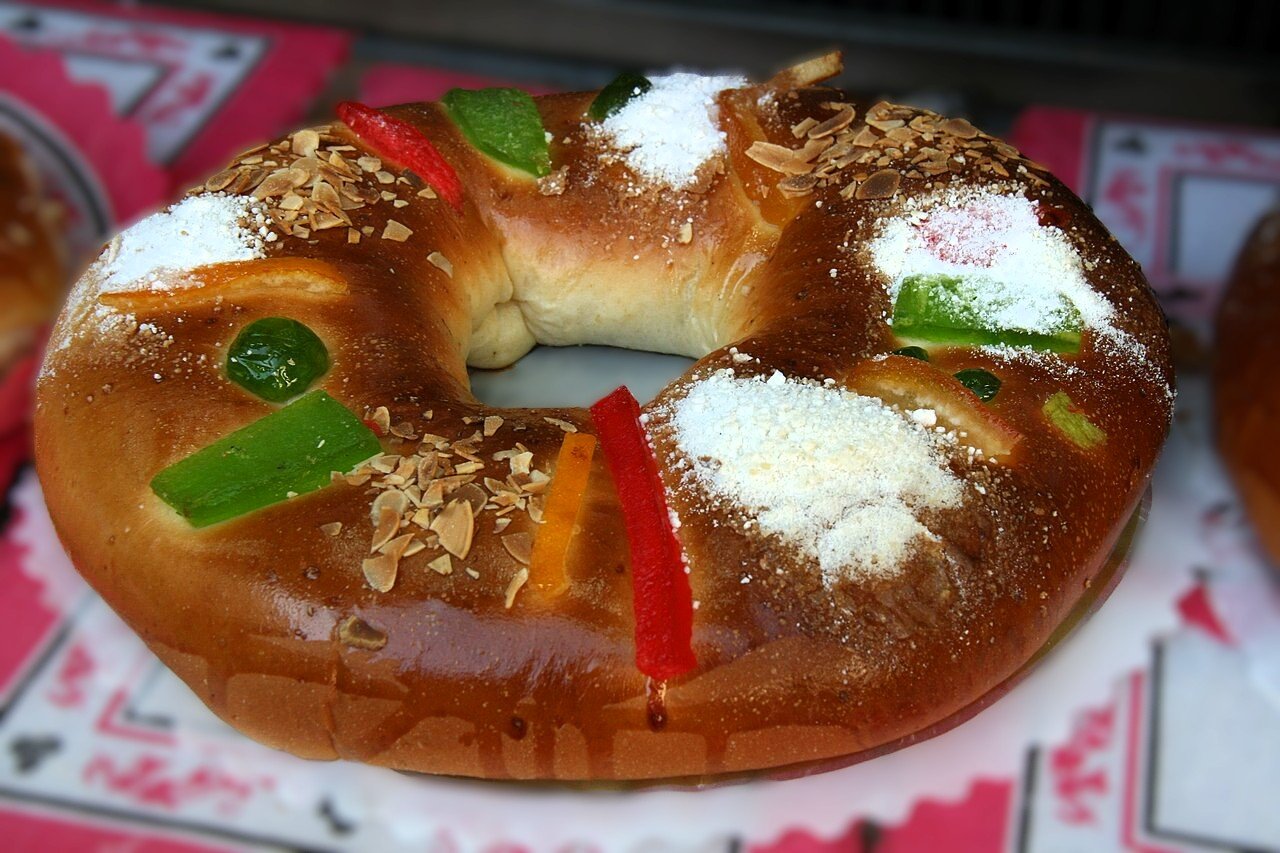
No Spanish celebration of Día de Reyes (Three Kings Day) would be complete without a Roscón de Reyes, the sweet ring-shaped cake that graces tables across the country on January 6th.
This centuries-old tradition brings families together on the morning of Three Kings Day, creating moments of suspense and laughter as everyone discovers what hides inside their slice.
The roscón represents one of Spain’s most cherished Christmas customs, combining delicious flavours with an element of playful surprise that delights both children and adults.
What makes a traditional Roscón de Reyes?
The Roscón de Reyes takes the form of a large ring or crown, symbolising the crowns worn by the Three Wise Men.
Bakers craft this brioche-style cake from a sweet dough enriched with butter, eggs and often flavoured with orange blossom water or citrus zest.
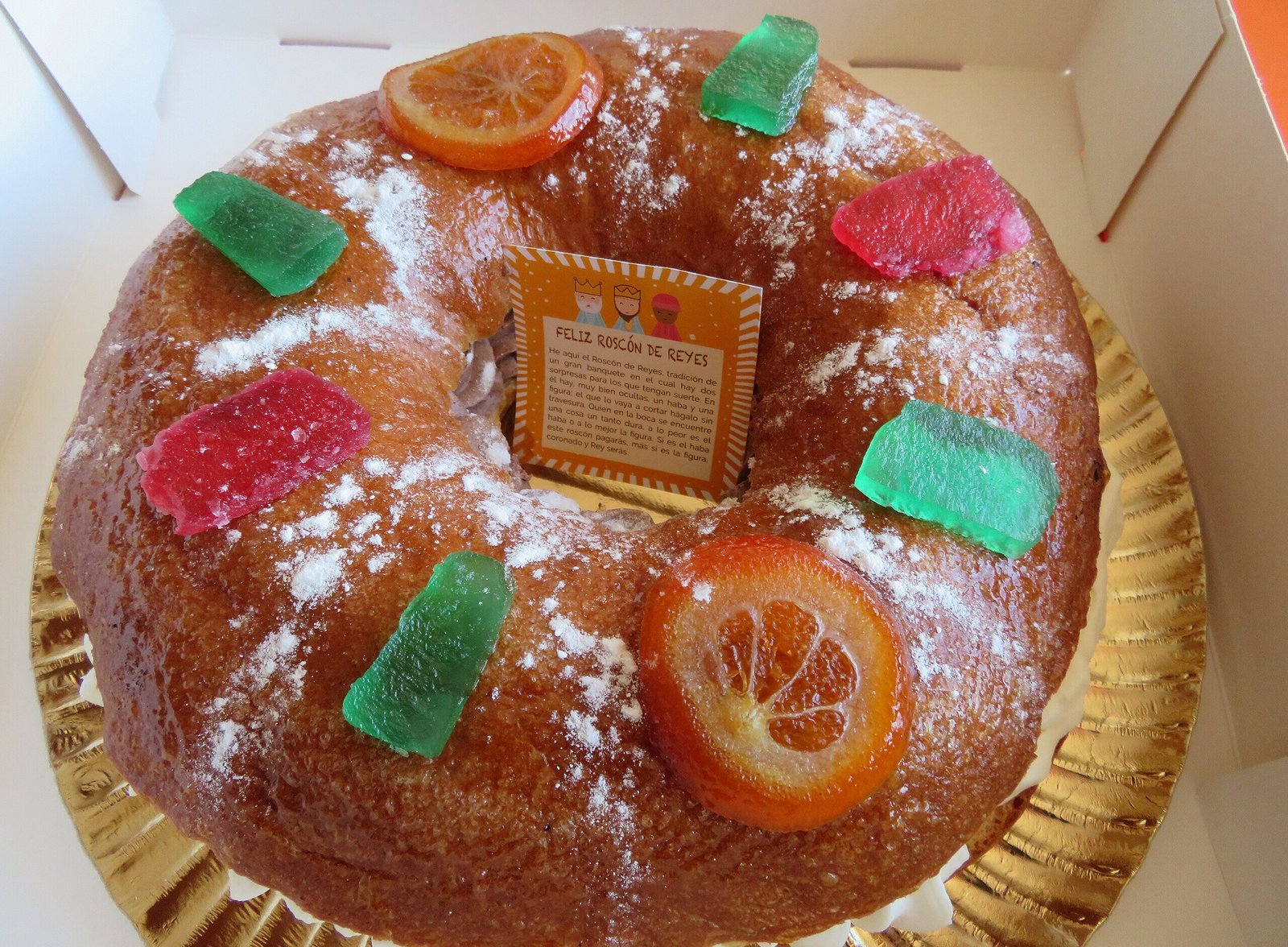
The top of the cake features a distinctive decoration of candied fruits, typically including bright red cherries, green angelica and orange peel, alongside sliced almonds. These colourful toppings are meant to resemble the jewels adorning a royal crown.
Some bakeries dust the roscón with pearl sugar before baking, adding extra sparkle and sweetness to the finished cake.
READ MORE: Día de Reyes: The day the Three Kings deliver Christmas presents to Spain
The hidden surprises inside every Roscón de Reyes
The most exciting aspect of the Roscón de Reyes lies in what bakers hide within the cake itself. Traditionally, two items are concealed inside the dough before baking: a small figurine and a dried haba (broad bean).
The figurine often depicts a king, the Baby Jesus or another nativity character, while modern versions sometimes use small ceramic or plastic toys.
Whoever finds the figurine in their slice becomes king or queen for the day and gets to wear a paper crown that comes with the cake.
The person who discovers the bean, however, faces a different fate: they must pay for next year’s roscón.
This playful tradition adds an element of anticipation as family members carefully examine each slice, hoping to find the prize while avoiding the bean.

Modern variations of the Three Kings cake
While the classic roscón remains a plain sweet bread, many Spanish bakeries now offer filled versions that have become increasingly popular.
The most common filling is whipped cream (nata), though pastry cream (crema pastelera) is another traditional choice.
Some modern bakeries experiment with chocolate cream, truffle fillings or even cream cheese variations.
These filled versions are typically sliced horizontally and generously stuffed with the chosen cream before being reassembled.
Another contemporary twist is to create miniature individual roscones, ideal for smaller households or those who want to enjoy the tradition without leftovers.
Regardless of the variation, the candied fruit decoration and hidden surprises remain essential elements.
Finding the best Roscón de Reyes in Malaga
Bakeries and pastelerías (pastry shops) throughout Malaga begin producing their roscones in the days leading up to January 6th.
The best establishments take advance orders, as these cakes sell out quickly on the morning of Three Kings Day.
Traditional family-run bakeries often guard secret recipes passed down through generations, each claiming to produce the most authentic version.
Many Malagueños remain fiercely loyal to their favourite bakery, returning year after year for their roscón.
The historic centre of Malaga features numerous excellent pastelerías where you can purchase these festive cakes.
Popular bakeries often display their roscones prominently in windows, tempting passersby with their colourful decorations.
Supermarkets also stock mass-produced versions at lower prices, though purists insist that artisan bakery roscones offer superior taste and texture.
The history behind Spain’s Three Kings cake
The tradition of the Roscón de Reyes dates back centuries, with roots in ancient Roman Saturnalia celebrations.
During these winter festivals, Romans baked round cakes containing a bean, and whoever found it became king of the festivities.
When Christianity spread throughout Europe, this pagan custom was adapted to celebrate the Epiphany and the arrival of the Three Wise Men.
The ring shape came to symbolise a crown, while the hidden bean retained its role in the tradition.
Spain embraced this custom enthusiastically, making it an integral part of Día de Reyes celebrations nationwide.
How Spanish families enjoy their Roscón de Reyes
Families typically gather on the morning of January 6th to share their roscón together after children have opened their gifts from the Three Kings.
Many families make an event of cutting the roscón, with everyone watching eagerly as each slice is served.
The tradition encourages sharing and togetherness, values central to Spanish culture and particularly important during the Christmas season.
Leftover roscón, if any remains, can be enjoyed throughout the day, though the cake tastes best when fresh.
Experiencing Roscón de Reyes as a visitor to Malaga
Visitors to Malaga during the first week of January shouldn’t miss the opportunity to try this traditional cake.
Most cafés and restaurants offer roscón during this period, allowing tourists to sample the treat without purchasing an entire cake.
The experience offers insight into local customs while satisfying your sweet tooth with a genuinely delicious pastry.

Daryl is the co-founder of Malaga Guru. He is a copywriter, editor and translator who moved to Malaga over a decade ago, having first fallen in love with the city on his Erasmus year. After working for many years at local expat newspaper SUR in English, Daryl gained expert knowledge in life from the perspective of foreign residents and decided to co-found this site in 2016.