

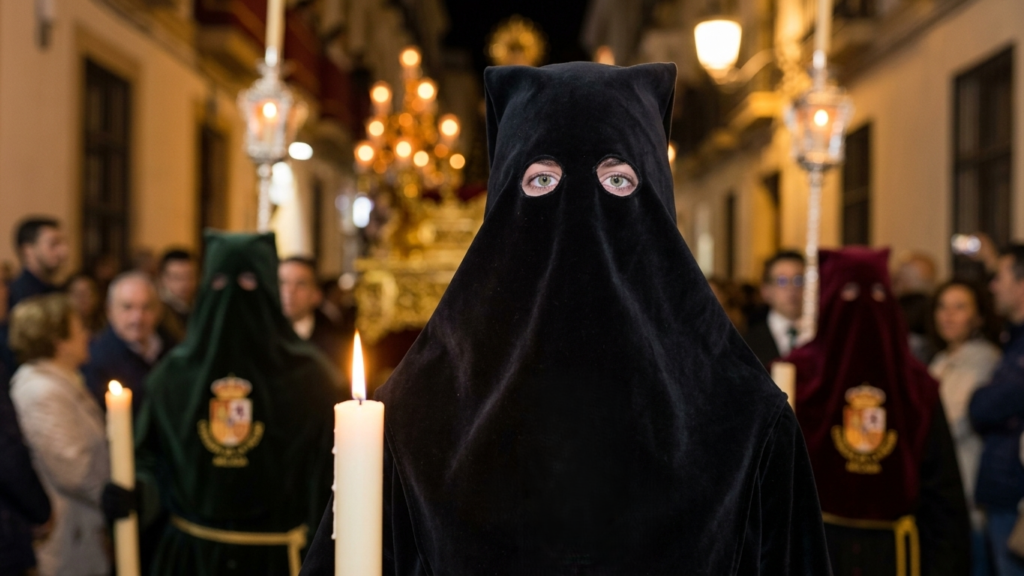
The Malaga Easter tradition that frees a prisoner every Holy Week
Every Holy Wednesday during Malaga’s famous Semana Santa, something remarkable happens that most tourists witnessing the processions know nothing about. As tens of thousands of visitors photograph the elaborate floats and hooded penitents winding through the city streets, one prisoner is walking out of jail early. It sounds like fiction, but this almost 300-year-old tradition is very real and uniquely […]
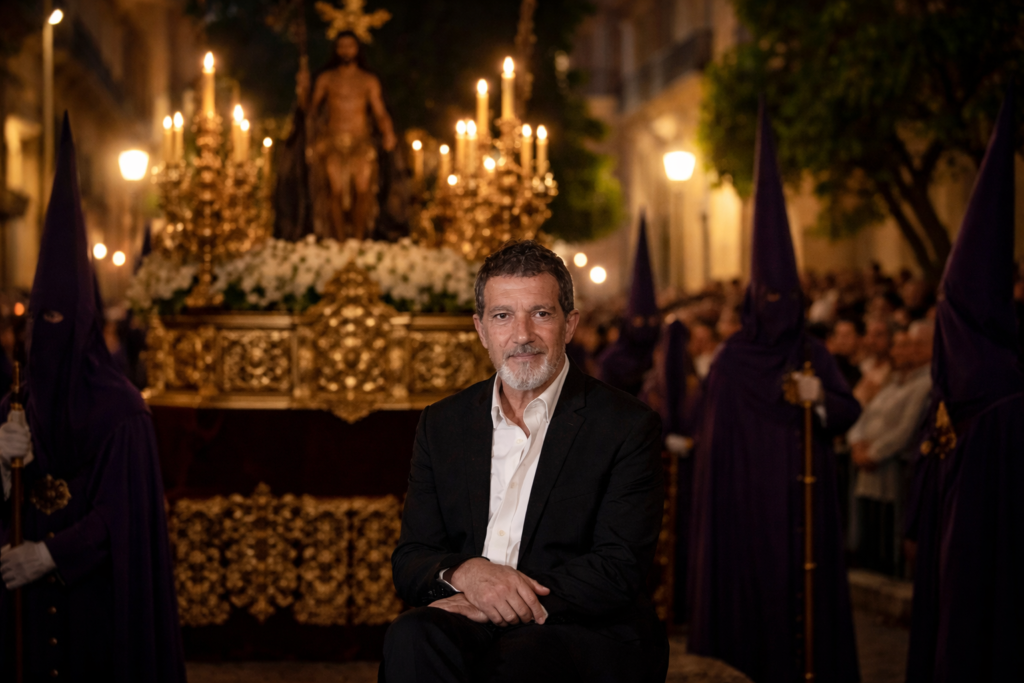
Antonio Banderas and his connection to Semana Santa in Malaga
If you visit Malaga during Semana Santa you might see a familiar figure among the rows of penitents. Each Palm Sunday, actor Antonio Banderas takes part in one of Malaga’s longest‑standing traditions. He does so not as a tourist but as an active member of a local brotherhood. Semana Santa in Malaga combines deep local devotion with elaborate processions of floats […]
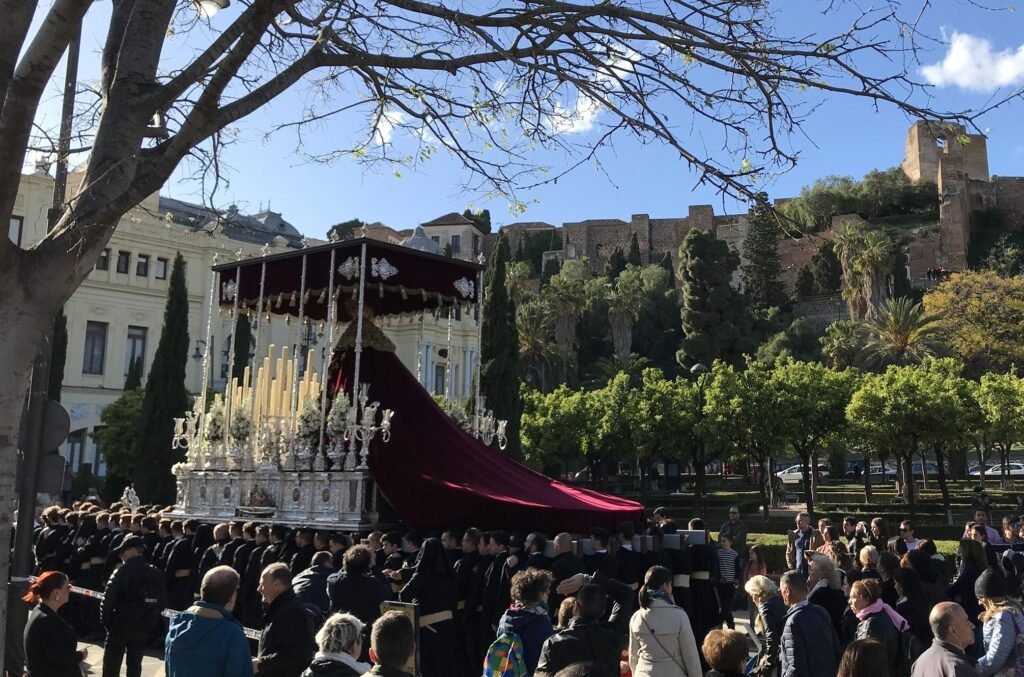
Semana Santa: Easter in Malaga
Semana Santa (Holy Week, or simply Easter Week in English) is not just a religious festival… it’s a deep-rooted tradition dating back centuries. This week-long event brings together whole communities and has, in recent decades, become a major tourist attraction, especially in the major cities in the south of Spain, such as Malaga and Seville. During this week, Malaga is […]

5 tips for surviving Semana Santa in Malaga
If you didn’t already know, Semana Santa (Holy Week or Easter Week in English) brings Malaga to an absolute standstill every year. Easter in Spain is not just a religious festival, it’s a deep-rooted tradition that dates back centuries and brings whole communities together. In Malaga city alone, between Palm Sunday and Good Friday, there are more than 40 processions (plus […]

What happens if it rains during Semana Santa?
Malaga, with its rich cultural heritage and vibrant traditions, comes alive during Semana Santa, drawing crowds from far and wide to witness its spectacular processions. However, amid the excitement and anticipation, the unpredictable nature of spring weather can pose challenges for the brotherhoods (or cofradías) that organise these events. In Malaga, where Semana Santa holds special significance, brotherhoods go to […]

Why does it always seem to rain during Semana Santa in Malaga?
Every year, without fail, as Semana Santa approaches, the people of Malaga look skyward, anticipating the arrival of an uninvited guest: rain. This phenomenon seems to persist regardless of when Easter falls, with many processions either being cancelled or considerably shortened due to the wet weather. It’s a recurring scenario that has puzzled Spaniards for years. So, why does it […]